Signs you need moss removal and what to do next
By Birdmuck & Moss Ltd
Why moss matters on UK roofs
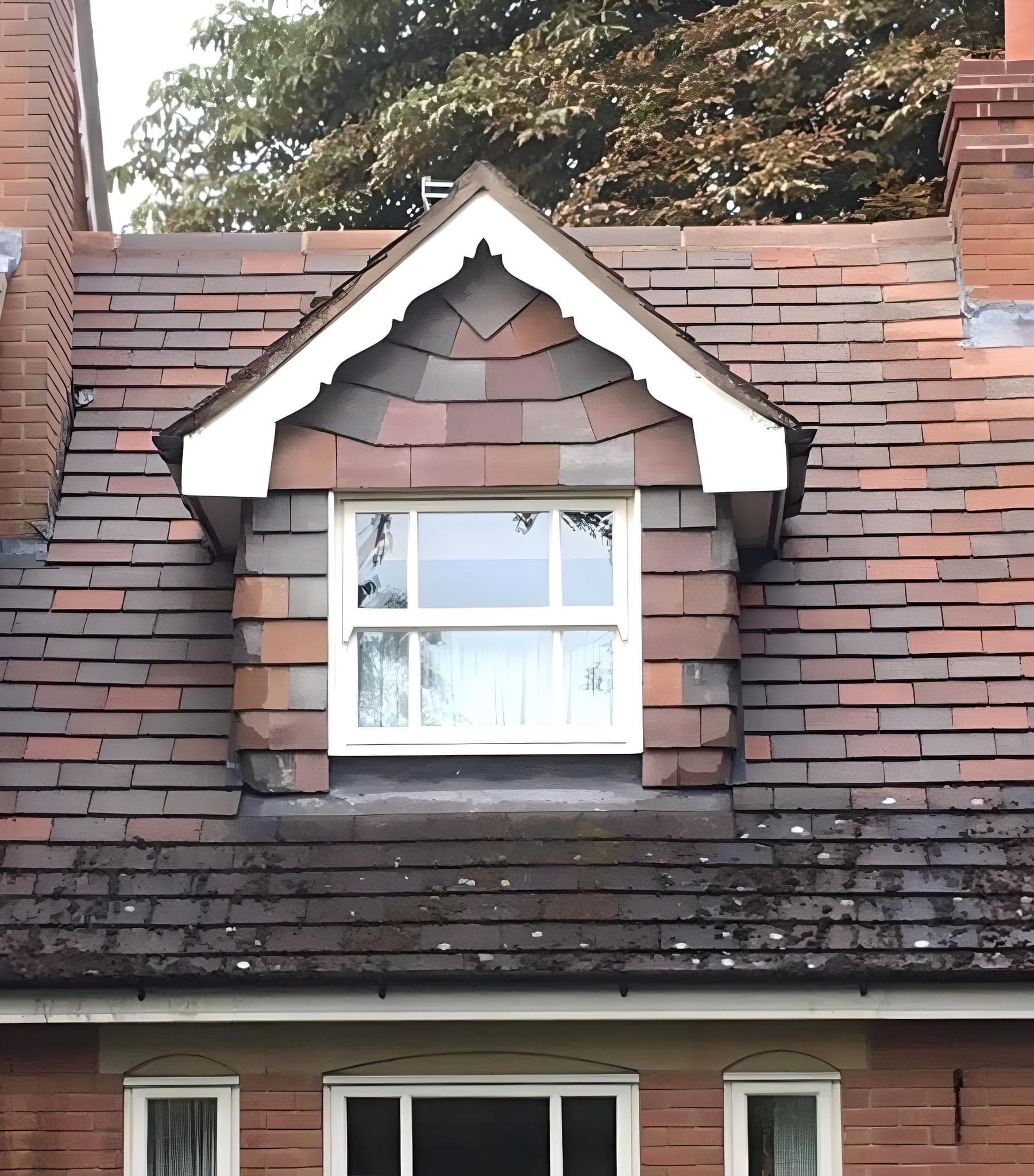
Moss seems harmless, but left to grow it holds moisture against tiles and slates, lifts mortar at ridges and hips, and encourages slipped tiles and rot to timber battens. In Nottinghamshire and Derbyshire roofs on clay pantiles, concrete interlocking tiles and older natural slate all show different failure patterns, but the warning signs are the same: persistent damp, movement and blockages.
Common signs you need moss removal
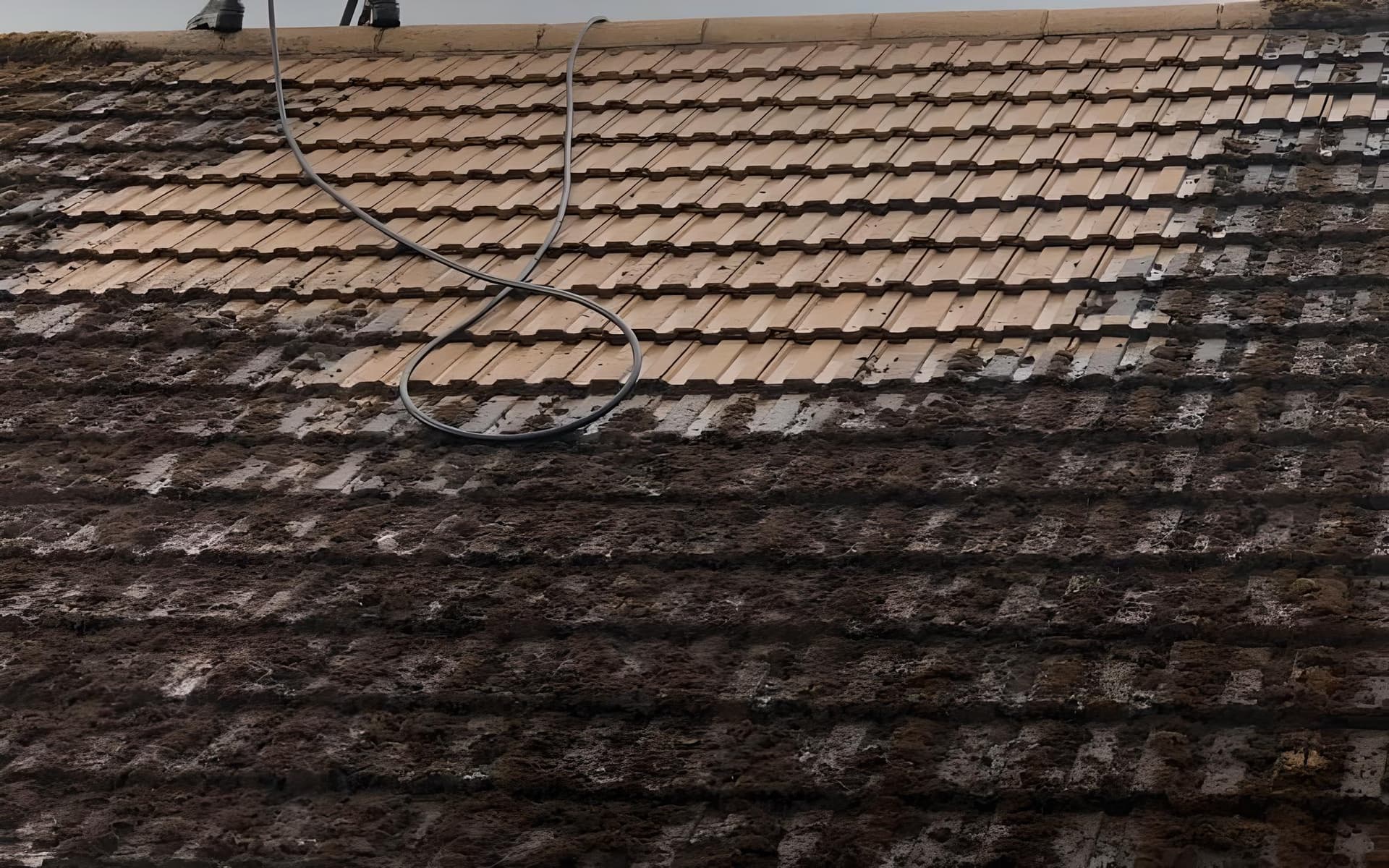
- Visible dense moss mats: Thick green or brown mats across the tile surface, especially on north or shaded elevations, trap water and grit.
- Moss at eaves and gutters: If gutters are filling with moss fragments or plants are sprouting in the gutter, the roof is shedding material and water is no longer running away as it should.
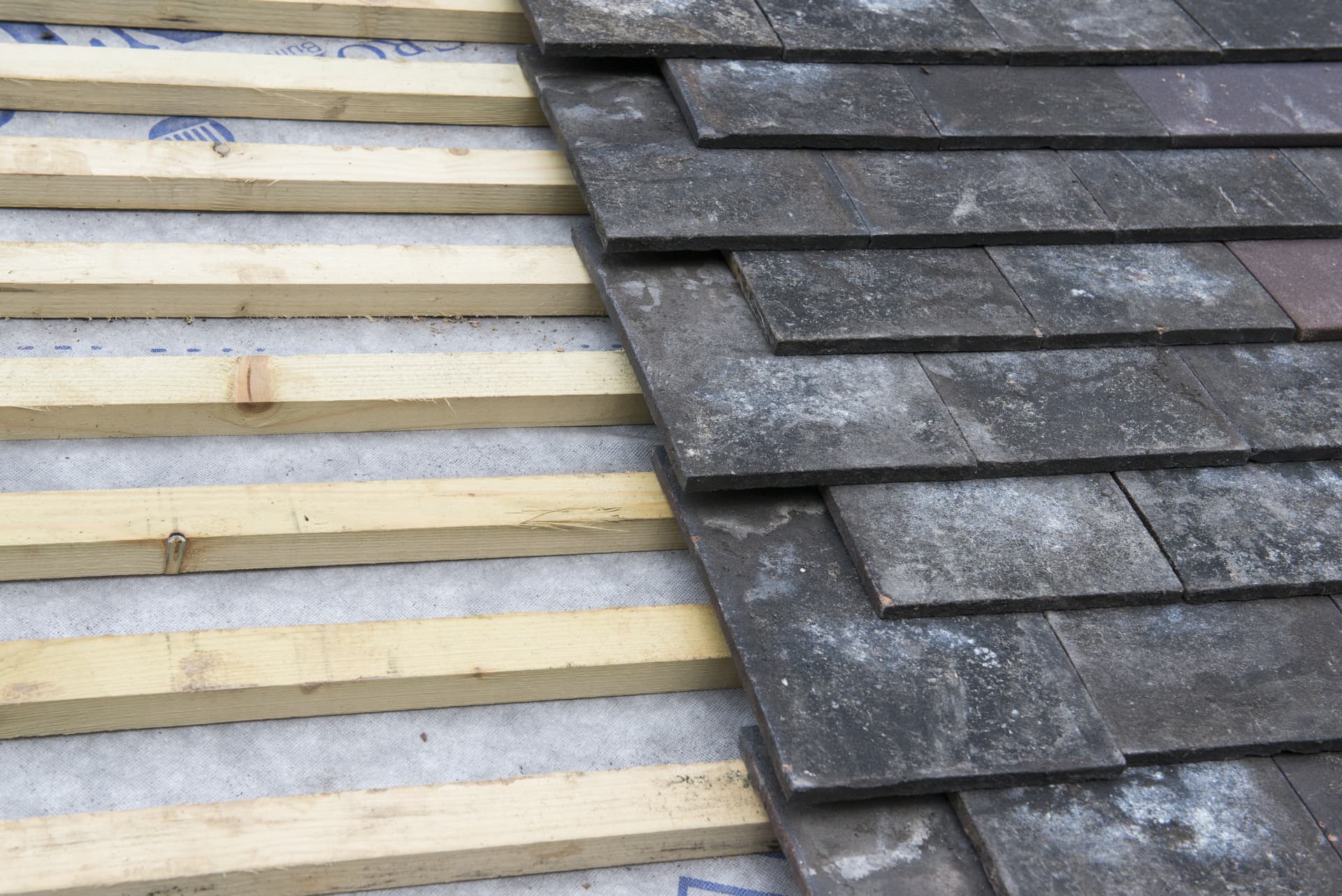
- Slipped, cracked or lifted tiles: Moss can work under tiles at the bedding or haunching, particularly on ridge and hip tiles, causing movement and exposed underlay.
- Loss of surface texture: On concrete tiles you might see granular loss, where the weathered surface comes away and moss takes hold.
- Staining and black streaks: Biofilm and algae often appear alongside moss. These indicate long term moisture retention and a higher risk of leaks.
- Damp in the loft or plaster: Dark staining on rafters, sarking or the underside of slates, and water stains on ceilings are urgent signs of water ingress.
- Blocked valleys and flashings: Moss in valleys and around lead flashings restricts drainage and forces water into vulnerable seams.
Quick checks you can do safely
- From the ground, look with binoculars at all elevations, paying attention to north faces and tree shaded areas.
- Check gutters and downpipes for moss fragments and vegetation.
- Inspect the loft for fresh dark stains, damp insulation and active drips. This tells you if the problem has already penetrated the roof covering.
- Do not climb the roof unless you are a competent roofer with appropriate fall protection. Untrained access risks injury and can cause more damage.
What professionals will do next
A qualified roofer will follow a simple process: inspect, diagnose, treat and protect.
- Inspection and diagnosis: A full external and internal inspection identifies tile type, slipped tiles, degraded pointing at ridges and hip bedding, condition of flashings and the state of the underlay and battens where visible.
- Moss removal: The correct method depends on the roof. For most domestic roofs a soft wash or low-pressure brushing combined with a biocide ensures moss and biofilm are removed without disturbing tiles. On roofs with severe growth a careful hand-rasp and mechanical brushing may be used. Professional operatives will use harnesses or access towers to work safely from the outside.
- Repairs: After cleaning, roofers commonly replace slipped or broken tiles, repoint ridge bedding, repair flashings and clear or renew gutters. These repairs prevent future moss re-growth by restoring correct water run-off and fixing entry points.
- Long term protection: Where appropriate, a breathable roof coating such as RENOTEC roof coatings can be applied. Birdmuck & Moss Ltd offers RENOTEC with a 10-year anti-moss guarantee, giving long term defence after the cleaning and repairs are complete.
DIY do's and don'ts
Do:
- Keep branches trimmed away from the roof and remove overhanging trees where safe to do so.
- Keep gutters clean to maintain flow and spot early signs of shedding.
- Check the loft for damp as an early warning system.
Do not:
- Use high pressure washers on tiles or slates. The force removes surface layers and can force water under tiles.
- Walk on fragile slates or tiles without fall protection and proper training.
- Apply domestic bleach or caustic chemicals. These can damage mortar and flashings and are often ineffective long term.
What to ask a roofing contractor
Ask for the following before any work starts: proof of insurance, a clear written quote, the exact cleaning method and chemicals to be used, planned repairs, and details of any guarantee. Confirm the team are employed by the company and not subcontractors, so you get consistent workmanship and accountability.
Birdmuck & Moss Ltd has over 20 years restoring roofs across Nottinghamshire and Derbyshire, employing trained roofers who carry out cleaning, tile replacement and repointing, and provide RENOTEC 10-year anti-moss guarantees where used.
Next steps
If you spot the signs above, book a professional inspection. A well executed clean and repair stops decay, prevents leaks and prolongs the life of the roof. For reliable, qualified work across Nottingham, Derby, Ilkeston, Ripley and surrounding towns, contact Birdmuck & Moss Ltd to arrange an inspection and written proposal. Call 01332 318071 or email darren@birdmuckandmoss.com. No deposit is required, and you only pay when the job is complete and you are happy with the result.